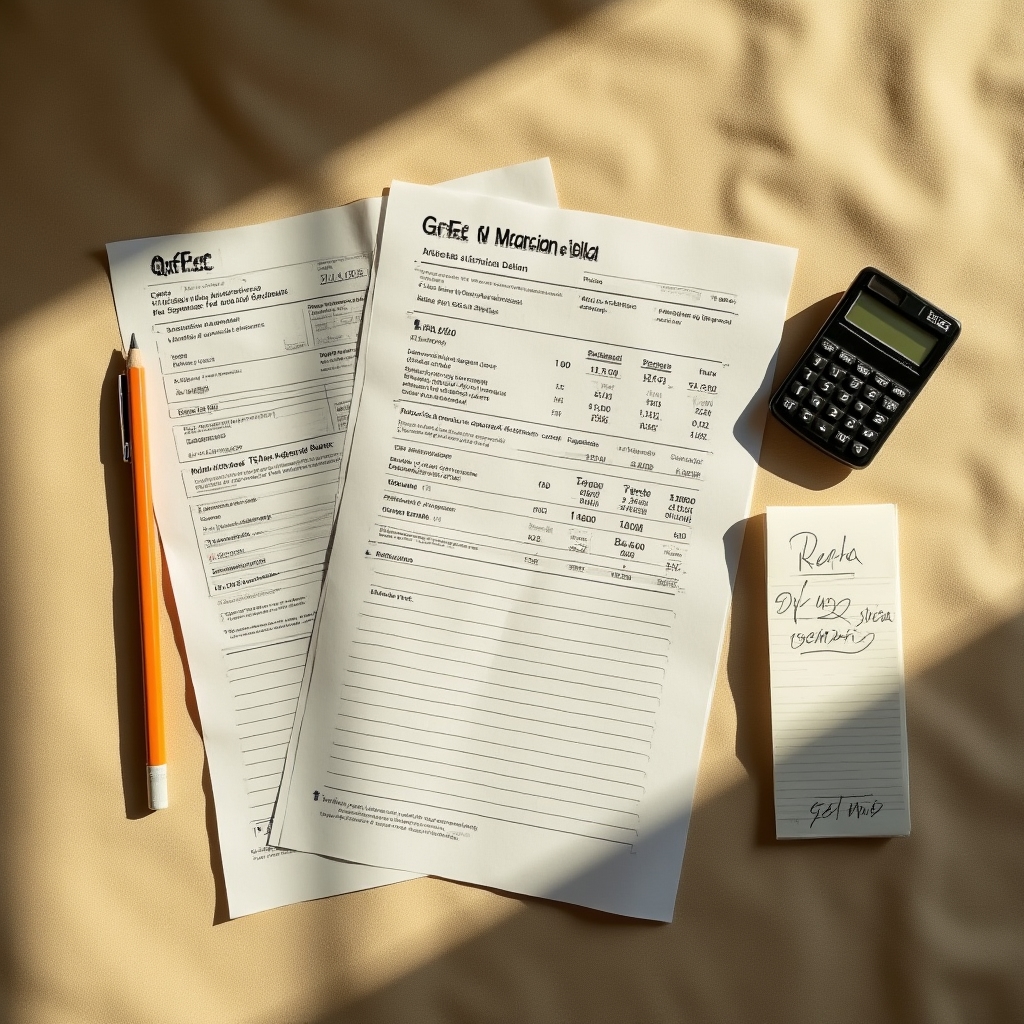
Person reviewing a contract at a kitchen table in Mexico City
Independent Editorial

Your rights.
Your money.
Your decisions.

An independent digital magazine covering consumer rights, rental agreements, utility comparisons, and everyday economic decisions in Mexico.

Scroll
Editorial team at work Independent voices
Busy Mexican market with consumers Everyday economy
Who We Are

Editorial independence, real-world relevance

KlysvorenMX was built on a simple conviction: consumers in Mexico deserve clear, honest information about their rights and the economic decisions they face every day. No corporate sponsors shaping the editorial line. No financial incentives to recommend one service over another.

We research, verify, and write about the things that actually affect how people live — rent, utilities, credit, contracts, and what to do when a company doesn't hold up its end of the deal.

Learn our purpose
Our Coverage Areas

What you'll find here

Four distinct content areas, each focused on a specific dimension of consumer life in Mexico.

Contracts & Agreements

Rental leases, service contracts, and terms of purchase explained in plain language. Know what you're signing before you sign it.

Profeco & Consumer Law

How to file complaints, what Profeco can and cannot do, and which consumer protection laws apply to your situation.

Basic Services

Electricity, water, internet, and gas. We compare providers, explain billing structures, and decode the fine print on your monthly statements.

Unauthorized Charges

What to do when a company charges you incorrectly. Step-by-step guidance on disputing charges and getting your money back.

Profeco office building exterior Profeco, CDMX
Close-up of hands signing a document Read before you sign
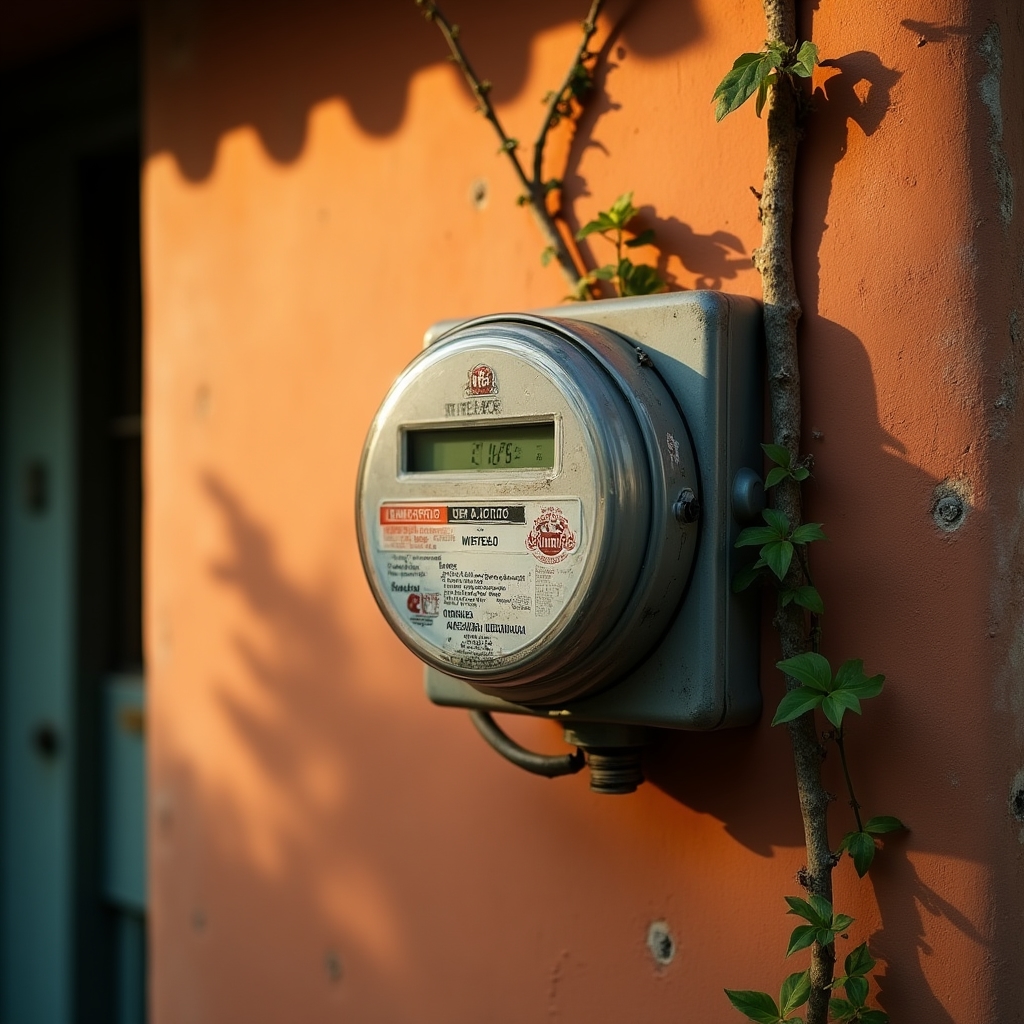
Residential electricity meter in Mexico Your CFE meter
Common Questions

Things readers ask us

Under Mexican civil law, a landlord may only retain a security deposit when there is documented damage to the property beyond normal wear and tear. If no inventory was made at the start of the lease, the landlord's position becomes significantly weaker. You have the right to request an itemized account of any deductions. If the landlord refuses or the deductions seem unreasonable, a Profeco complaint is a documented first step.
An unauthorized charge is any amount billed that does not correspond to a service you contracted, a rate change you were not notified about, or a fee applied without legal basis. Common examples include reconnection fees applied without a prior disconnection, estimated readings that significantly exceed actual consumption, and penalty charges not specified in your original contract. Keep copies of your bills — they are your primary evidence.
Resolution times vary considerably depending on the nature of the complaint, whether the company responds, and whether conciliation is achieved. Simple cases involving clear documentation can move within weeks. More contested disputes may take several months. Filing online through Profeco's platform gives you a tracking number so you can monitor progress. The key is submitting complete documentation from the start to avoid delays.
No. Such clauses violate the Federal Law to Prevent and Eliminate Discrimination (LFPED). A landlord cannot refuse to rent to families with children, nor can they include conditions that penalize tenants for having children. If you encounter such a clause in a contract, it is considered null and void under Mexican law. You may report discriminatory rental practices to CONAPRED, the national anti-discrimination body.
Keep the signed contract itself, any promotional materials or quotes that formed part of the agreement, every bill or receipt, and written records of any communications with the company. If you ever need to dispute a charge or file a complaint, these documents are the foundation of your case. Photograph or scan physical documents and store digital copies in at least two places.
Telecommunications providers in Mexico are required by IFT (Federal Telecommunications Institute) regulations to notify subscribers of rate changes in advance. The specific notice period and method depend on the type of contract. If a provider changes your rate without proper notification, you have grounds to dispute the charge and, if the provider does not resolve it, to file a complaint with both Profeco and IFT.

Have a consumer question?

Our editorial team reads every message. If your situation could help other readers, it may become the basis for a future article.

Get in touch